
Centrele de date consumă energia regenerabilă în Irlanda în contextul avertismentului privind un şoc energetic cauzat de combustibili fosili
IRELAND IS “EXPOSED to global energy shocks” as a result of its dependence on imported fossil fuels, according to the Climate Change Advisory Council (CCAC).
A further warning also states that rising data centre demand is offsetting gains in renewable generation.
The CCAC is an independent advisory body tasked with assessing and advising on how Ireland can transition to climate-neutral economy.
In its 2026 annual review published today, the group said that instability in global energy markets “reinforces the importance and urgency” of the government ending Ireland’s reliance on fossil fuels by accelerating to domestically generated renewable electricity.
Renewable energy
Renewable generation capacity reached eight gigawatts (GW) of power capacity in March, up from 1.2 GW in 2015.
This is enough capacity to power around 1.6 million homes.
However, last year only 0.8 GW of new solar and wind capacity was added, which is considerably below the 2 GW needed annually to meet the 2030 Climate Action Plan target of 80% of electricity coming from renewable sources by the end of the decade.
Meanwhile, the CCAC said around 10% of available renewable electricity could not be used last year due to grid constraints, a “progressively worsening trend” since 2021 and the highest rate since records began in 2016.
The body said the slow pace of renewable delivery and grid reinforcement is leaving Ireland “unnecessarily dependent on imported fossil fuels and exposed to global energy shocks, including market volatility linked to conflict in the Middle East”.
It added that the renewable electricity share of demand has stagnated in recent years due to any added renewable generation capacity being “matched by increasing data centre electricity demand”.
Advertisement
Ireland’s electricity demand increased by 2.6% last year, above the annual European average of 1%, and the CCAC said this increase is “almost entirely driven by data centre expansion”.
Collectively, the average year-on-year growth of electricity demand from data centres is 23% since 2015, with consumption directly from data centres increasing by 463% since records began in 2015.
All other non-data centre demand in Ireland has increased by only 7% since 2015.
The report states that additional data centre demand “will continue the well-established trend of data centres cannibalising any increase in Irish renewable capacity, causing stagnation of the share of renewable electricity meeting demand.”
‘Avoidable costs’
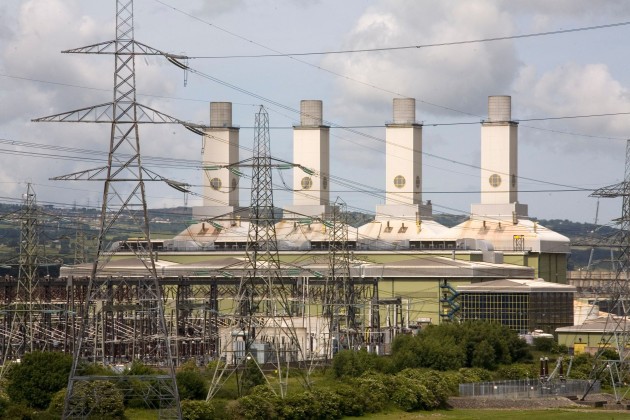
The Council said a move towards renewable energy will help save Irish households money and is already doing so (file image). Alamy Stock Photo
Alamy Stock Photo
The CCAC added that a move towards renewable energy will help save Irish households money and is already doing so.
It said that wholesale electricity prices in March fell to an average of €94/MWh on the days with the most wind energy, but doubled to €17